Embarking on international business travel can be a thrilling experience, but it also comes with its fair share of risks. From unexpected emergencies to cultural misunderstandings, navigating these challenges is essential for the success of your global team. Let's delve into the world of Business Travel Risk Management for International Teams and explore how proactive measures can ensure smooth operations across borders.
Importance of Business Travel Risk Management
Managing risks in international business travel is crucial to ensure the safety and well-being of employees, protect business assets, and maintain operational efficiency. By identifying potential risks and implementing effective strategies to mitigate them, organizations can reduce the likelihood of disruptions and costly incidents during business trips.
Examples of Potential Risks
- Health and medical emergencies in foreign countries where access to quality healthcare may be limited.
- Natural disasters or political unrest that could impact travel plans and safety of team members.
- Cybersecurity threats such as data breaches or hacking while using public Wi-Fi networks.
Impact of Inadequate Risk Management
- Increased likelihood of financial losses due to unforeseen events or emergencies.
- Damage to the organization's reputation if incidents occur that could have been prevented with proper risk management.
- Negative impact on employee morale and productivity if team members feel unsafe or unsupported during business trips.
Strategies for Identifying Risks
In order to ensure the safety and security of international business trips, it is crucial to effectively identify potential risks before embarking on the journey. By conducting a thorough risk assessment, organizations can proactively address any potential threats and minimize the impact on their teams and operations.
Utilizing tools and techniques specifically designed for identifying risks in international travel can greatly enhance the success of the risk management process.
Importance of Risk Assessment
Risk assessment plays a key role in the overall risk management strategy for international business travel. It involves evaluating the likelihood and impact of various risks that may be encountered during the trip, allowing organizations to prioritize and plan for mitigation strategies accordingly.
By conducting a comprehensive risk assessment, teams can identify potential threats early on and implement measures to prevent or minimize their impact.
- One common technique for risk assessment is the use of risk matrices, which help to categorize risks based on their likelihood and severity. By assigning a score to each risk, organizations can prioritize their response based on the level of threat.
- Another useful tool is the SWOT analysis, which helps to identify internal strengths and weaknesses, as well as external opportunities and threats. This can provide valuable insights into potential risks that may arise during international travel.
- Utilizing travel risk management software can also aid in identifying risks specific to international trips, such as political instability, natural disasters, or health concerns. These tools often provide real-time updates and alerts to help teams stay informed and make informed decisions.
Mitigation Plans and Policies
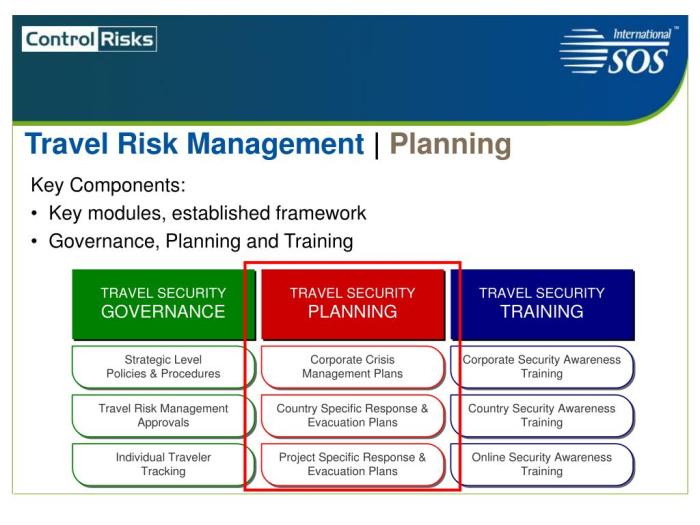
Developing effective mitigation plans is crucial in managing risks during business travel for international teams. These plans are designed to reduce the likelihood of potential threats and minimize their impact on the organization. In addition to mitigation plans, implementing policies plays a vital role in ensuring that employees adhere to risk management protocols to maintain safety and security while traveling for business purposes.
Role of Policies in Risk Management
Policies serve as guidelines for employees to follow when traveling for business, outlining the necessary protocols and procedures to mitigate risks effectively. These policies typically cover areas such as travel advisories, emergency contacts, communication protocols, and data security measures. By establishing clear policies, organizations can ensure that their teams are well-prepared and equipped to handle any unforeseen circumstances that may arise during travel.
Successful Mitigation Strategies
- Pre-Travel Training: Organizations provide comprehensive training to employees before they embark on international trips, covering topics such as cultural awareness, emergency procedures, and communication protocols.
- 24/7 Support: Implementing a support system that is available around the clock can help employees feel secure and provide assistance in case of emergencies or unexpected situations.
- Risk Assessment Tools: Utilizing technology and tools to assess potential risks in specific travel destinations can aid in developing targeted mitigation strategies tailored to the location.
- Travel Insurance: Organizations often invest in travel insurance policies that cover medical emergencies, trip cancellations, and other unforeseen events to safeguard their employees during business travel.
Communication and Training
Clear communication among team members regarding risk management protocols is crucial in ensuring that everyone is on the same page when it comes to identifying and addressing potential risks. This helps in creating a unified approach towards risk management, minimizing confusion, and ensuring a prompt response in case of emergencies.
Importance of Training Programs
Training programs for international team members on risk awareness and response are essential in equipping them with the necessary knowledge and skills to handle potential risks effectively. By educating team members on risk management best practices, they are better prepared to assess situations, make informed decisions, and take appropriate actions to mitigate risks.
- Training programs help in increasing risk awareness among team members, enabling them to recognize potential threats and hazards.
- By providing training on response protocols, team members are better equipped to handle emergencies and crises effectively.
- Regular training sessions ensure that team members are up to date with the latest risk management strategies and protocols.
Regular updates and briefings play a key role in enhancing the effectiveness of risk management efforts. By keeping team members informed about any changes in risk factors, protocols, or mitigation plans, organizations can ensure that their teams are well-prepared and responsive to evolving risks and challenges.
Significance of Regular Updates and Briefings
- Regular updates help in reinforcing risk management protocols and ensuring that team members are aware of their roles and responsibilities.
- Briefings provide an opportunity to discuss recent incidents, lessons learned, and best practices in risk management.
- By fostering open communication and transparency, regular updates and briefings create a culture of risk awareness and proactive risk management within the team.
Technology and Tools for Risk Management
Technology plays a crucial role in enhancing risk management for international business travel, providing tools and solutions to track, monitor, and respond to potential risks effectively.
Examples of Risk Management Software
- Travel tracking software such as SAP Concur and TripIt allows companies to monitor the whereabouts of their employees in real-time during business trips.
- Risk assessment tools like WorldAware and Riskline provide up-to-date information on potential threats and security risks in specific locations.
- Communication platforms such as Slack and Microsoft Teams enable quick and efficient communication between team members in case of emergencies.
Benefits of Integrating Technology
- Improved Efficiency: Technology streamlines the risk management process, saving time and resources for companies.
- Enhanced Communication: Real-time alerts and notifications help teams stay informed and connected, enabling faster response to risks.
- Data Analysis: Technology allows for the collection and analysis of data to identify trends and patterns, helping in proactive risk mitigation.
- Cost-Effective Solutions: Investing in technology can lead to long-term cost savings by preventing potential risks and crises.
End of Discussion
In conclusion, prioritizing Business Travel Risk Management for International Teams is not just about anticipating potential threats—it's about fostering a culture of preparedness and resilience. By implementing robust strategies and staying vigilant, your team can navigate any challenge that comes their way, ensuring successful ventures around the globe.
FAQ Compilation
What are some common risks international teams face during business trips?
International teams may encounter risks such as language barriers, political instability, health emergencies, and cultural differences.
How can technology assist in risk management for international business travel?
Technology can aid in tracking, monitoring, and responding to risks through software and applications designed for risk management purposes.
Why is clear communication essential for effective risk management during business travel?
Clear communication ensures that team members are aware of protocols and can respond promptly to any potential risks that may arise.